Common Items You Can't Put in a Roll-Off Dumpster
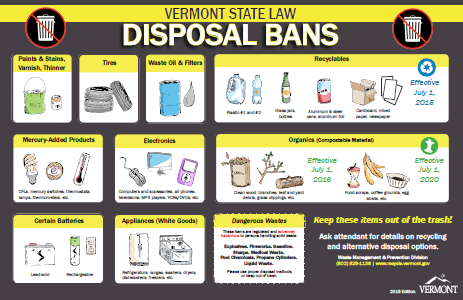
While dumpster rentals accept most common debris, there are important restrictions to ensure safety, environmental protection, and legal compliance. Understanding these restrictions prevents delays, additional fees, and potential safety hazards.
Important Safety Notice
Disposing of prohibited items can result in additional fees, pickup delays, and potential legal issues. Always check with your rental provider if you're unsure about any items.
Hazardous Materials
Chemical Products
- • Paint and paint thinners
- • Pesticides and herbicides
- • Cleaning solvents
- • Motor oil and automotive fluids
- • Propane and fuel tanks
Electronic Waste
- • Televisions and monitors
- • Computers and laptops
- • Cell phones and tablets
- • Printers and copiers
- • Batteries of all types
Automotive Items
- Car tires and truck tires
- Car batteries and motorcycle batteries
- Motor oil and transmission fluid
- Antifreeze and brake fluid
- Gas tanks (even if empty)
Appliances with Refrigerants
Appliances containing Freon or other refrigerants require special handling:
- Refrigerators and freezers
- Air conditioning units
- Dehumidifiers
- Water coolers
Disposal Alternatives
Electronics:
Take to certified e-waste recycling centers or retailer take-back programs
Hazardous Materials:
Use local hazardous waste collection events or permanent drop-off locations
Appliances:
Schedule specialized pickup or take to appliance recycling programs
Medical and Biological Waste
- Medical sharps and needles
- Pharmaceutical products
- Biological specimens
- Infectious waste materials
- Radioactive materials
What You CAN Dispose Of
- ✓ Construction debris
- ✓ Household furniture
- ✓ Yard waste and branches
- ✓ Appliances (non-freon)
- ✓ Carpeting and flooring
- ✓ General household trash
State and Local Regulations
Disposal regulations can vary by location. Some states have additional restrictions or different requirements for certain materials. Always check with your local authorities and rental provider for specific guidelines in your area.
Consequences of Improper Disposal
- • Additional removal and disposal fees
- • Delayed pickup schedules
- • Potential environmental fines
- • Liability for cleanup costs